
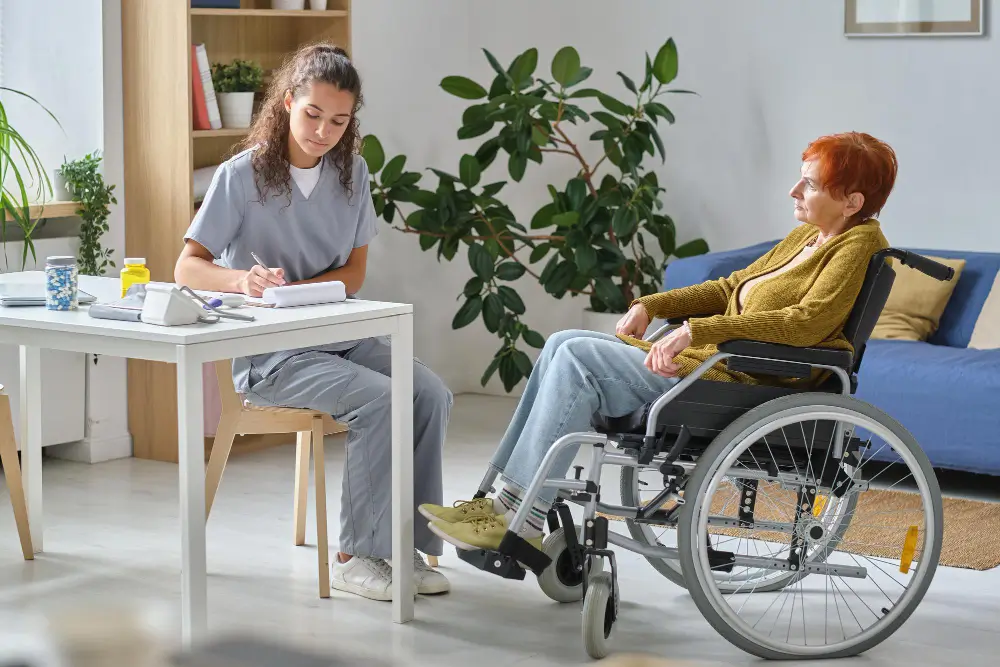
Finding the right support for a loved one with a disability can feel overwhelming, especially when navigating state programs and personalized care options. In Maryland, families often turn to home care for disabled Maryland providers to help them live safely and independently in their homes and communities. This guide explains what home care includes, how state-supported options work, who may qualify, and how to choose services that fit your family’s needs.
What Does Home Care for Disabled Maryland Providers Include?
Home care for disabled Maryland providers focuses on helping individuals manage daily routines while encouraging independence and community involvement. Support may include assistance with personal care tasks, daily living activities, and structured routines that align with individual goals.
In many cases, care includes:
- Help with Activities of Daily Living (ADLs) such as dressing, eating, and mobility
- Instrumental support, like light housekeeping, meal preparation, and reminders
- Assistance with social engagement and participation in community activities
- Overnight or extended care when safety or supervision is required
Services are typically delivered in a person’s home or community-based settings, depending on preferences and care needs.
Who Is Eligible for Home Care Services in Maryland?
Eligibility for services offered by home care for disabled Maryland providers is generally based on disability status, functional needs, and, in some cases, financial guidelines.
For programs administered through the Developmental Disabilities Administration, individuals must:
- Have a documented developmental disability affecting independent living
- Provide medical or clinical documentation confirming support needs
- Complete the application process with the DDA
Some Medicaid waiver programs assess income eligibility, while others focus primarily on the level of support required to avoid institutional care.
Understanding Maryland DDA Personal Supports
Maryland DDA personal supports are a core offering under the DDA Community Pathways Waiver. These aids are designed to assist people who have developmental disabilities in improving the skills they use every day and remain active in their communities.
Services may include:
- Structured assistance with daily routines
- Guidance to build independence and social skills
- Overnight supervision when required for safety
All supports are guided by a Person-Centered Plan that reflects individual goals, preferences, and desired outcomes.
What Are Personal Support Services and How Do They Help?
Personal support services provide flexible, hands-on assistance tailored to each individual’s unique challenges and strengths. These services help people manage everyday tasks, develop life skills, and engage confidently with their surroundings while maintaining dignity and independence.
Affordable Personal Care Services in Maryland: What Families Should Know
Access to affordable personal care services in Maryland often depends on funding sources such as Medicaid programs or state waiver services. These choices can drastically cut out-of-pocket costs when compared with private health plans.
Families are encouraged to collaborate with case coordinators to learn the specifics of coverage, limitations on services, and the way the hours of support are allocated. The ability to predict costs and coordinate plans is essential to keeping stability over the long term.
For example, J Heart Healthcare understands the importance of dependable, cost-conscious support systems. It works with local networks to help families connect with appropriate community resources.
How to Choose the Right Home Care Provider for Disabled Individuals
Selecting among home care for disabled Maryland providers is an important decision that directly affects quality of life. Families should consider:
- Provider approval under Maryland waiver programs
- Caregiver training and experience
- Scheduling flexibility and individualized care planning
- Feedback from other families or community organizations
Providers with strong local knowledge can help simplify the process and ensure services align with both care goals and regulatory requirements.
How J Heart Healthcare Supports Individuals with Disabilities in Maryland
Organizations like J Heart Healthcare contribute to Maryland’s care ecosystem by delivering personalized in-home assistance and coordinated planning. Their services often include:
- Individualized personal support tailored to changing needs
- Collaboration with families, medical professionals, and case managers
- Flexible care plans designed to evolve over time
This approach helps individuals remain engaged, empowered, and supported in their daily lives.
Need personalized support for your loved one? Contact us today at 240-536-6812 or email us at info@Jhearthc.com to learn more about the home care services we offer in Maryland. We’re here to help you every step of the way!
Frequently Asked Questions
Q. What’s the difference between personal care and personal support?
Ans. Personal care usually involves help with day-to-day tasks like bathing, dressing, and mobility. Personal supports go a step further by combining personal care with skill-building and guidance, which is why many home care for disabled Maryland providers offer both services as part of a comprehensive care plan.
Q. Do services differ for children vs. adults?
Ans. Yes, services are tailored for people of all ages. While the core goal of personal support services remains the same, children often receive more education- and family-focused assistance. In contrast, adults may focus more on independent living, community engagement, and employment-related skills.
Q. How do I start the application process?
Ans. To begin, contact Maryland’s Developmental Disabilities Administration or a local service coordinator to apply for Maryland DDA personal supports. They will guide you through eligibility reviews, required documentation, assessments, and enrollment steps.
Q. Can I choose my caregiver?
Ans. In many cases, yes. Most home care for disabled Maryland providers allow families to participate in caregiver selection based on compatibility, experience, and specific support needs. It’s best to discuss options early in the service planning process.
Q. Are there any respite care options available?
Ans. Yes, respite care is available to support family caregivers who need temporary relief. These short-term services fall under broader personal support options and ensure continuity of care while giving families time to rest and recharge.